




 Whitman Expo
-
Bank of China (行銀國中) Currency & Banknote Values
Banknote Book® Price Guide

Sort by
Sponsor

Sponsor

Sponsor

Sponsor

Sponsor

Legal Disclaimer
The prices listed in our database are intended to be used as an indication only. Users are strongly encouraged to seek multiple sources of pricing before making a final determination of value. CDN Publishing is not responsible for typographical or database-related errors. Your use of this site indicates full acceptance of these terms.
The Greysheet Catalog (GSID) of the Bank of China (行銀國中) series of China National Banks in the World Currency contains 634 distinct entries with CPG® values between $1.00 and $32,000.00.
While it succeeded in steering clear of the disastrous consequences of the 1910 Shanghai rubber boom, Ta-Ching Government Bank was affected by the general economic collapse and its finances grew even weaker when revolution broke out in October 1911. The entire structure of the bank was dismembered, and funds which depositors had failed to withdraw in time were confiscated by one or the other contending government factions, or expropriated by the military. The Hankou branch could not
withstand the run on its coffers and closed its doors. Withdrawals of deposits from the Shanghai branch in October 1911 amounted to $2,000,000 in just three days. Some other branches, including Changsha and Ulaan Baatar, declared themselves independent institutions and changed their names. The notes of the latter Ulaan
Baatar branch (then part of Chinese-controlled Outer Mongolia) sank to only 20% of their face value and insufficient reserves of bullion available to redeem notes resulted in the failure of the bank, the only financial institution in Outer Mongolia at the time.
The Shanghai branch of the bank succeeded in staying afloat, however, and it was from here, not from the collapsed head office in Beijing, that the Bank of China (BOC) was launched on 5 February 1912. Until 1942, banknotes were issued on behalf of the central government by the Bank of China along with the other so-called “Big Four” banks of the period: the (General) Bank of Communications (B1401), the Central Bank of China (B3001), and the Farmers Bank of China (B3801). Although the Bank of
China initially functioned as the new Republic of China’s central bank, it was replaced in this role by the Central Bank of China in 1928, thereafter becoming a purely commercial institution.
The Bank of China ceased issuing banknotes in 1942 and, after the Communist Revolution of October 1949, split into two operations. One operation remained in the People’s Republic of China, retained its name, issued foreign exchange certificates (BFX1001 - BFX1009) between 1979 and 1994, is currently headquartered in Beijing, and is one of largest banks in the world by market capitalization. The second operation relocated to Taiwan in 1949. It was privatized in 1971 and, after a number of mergers, now
operates as the Mega International Commercial Bank.
For more information, visit boc.cn.
The gaps in the numbering of signatures are intentional to allow for the addition of newly discovered signatures.
See More See Less
Sponsor
Sponsor
Sponsor
Sponsor
Sponsor
 Loading more ...
Legal Disclaimer
The prices listed in our database are intended to be used as an indication only. Users are strongly encouraged to seek multiple sources of pricing before making a final determination of value. CDN Publishing is not responsible for typographical or database-related errors. Your use of this site indicates full acceptance of these terms.
Available on Greysheet Marketplace
View All
Auction Ends: 11/1/2026
Auction Ends: 11/1/2026
Auction Ends: 11/1/2026
Auction Ends: 11/1/2026
Dealer Directory
View All Dealers





Greysheet News
View All News

The Reserve Bank of New Zealand have released a new range of collector coins in celebration of the Paris Olympics.

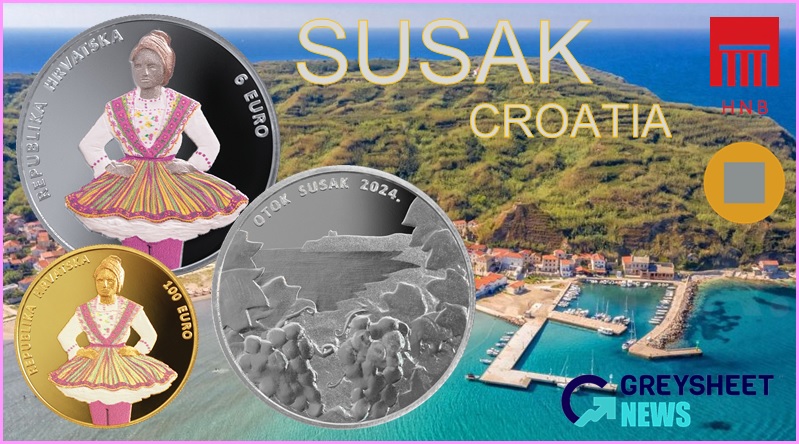
The Croatian National Bank issue new gold and silver collector coins in the Croatian Heritage series.
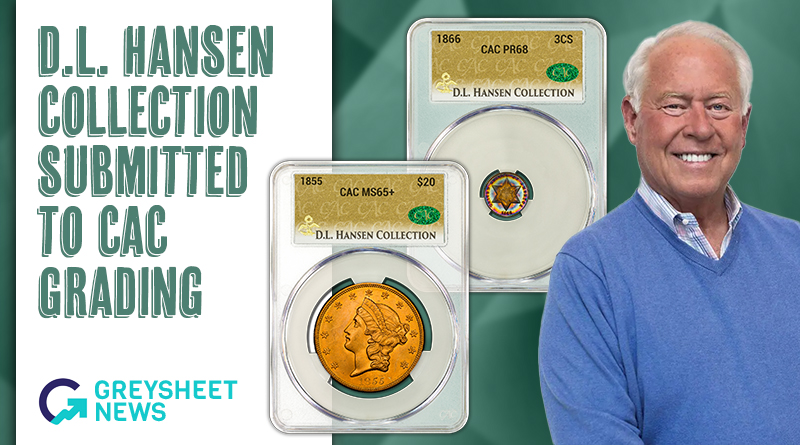
The unprecedented crossover underscores his personal efforts to combat “grade inflation.”
Events
View All Events


Rothchild Catering & Conference Center

Saturday, August 1, 2026
Coinacopia Building
Saturday, August 1, 2026
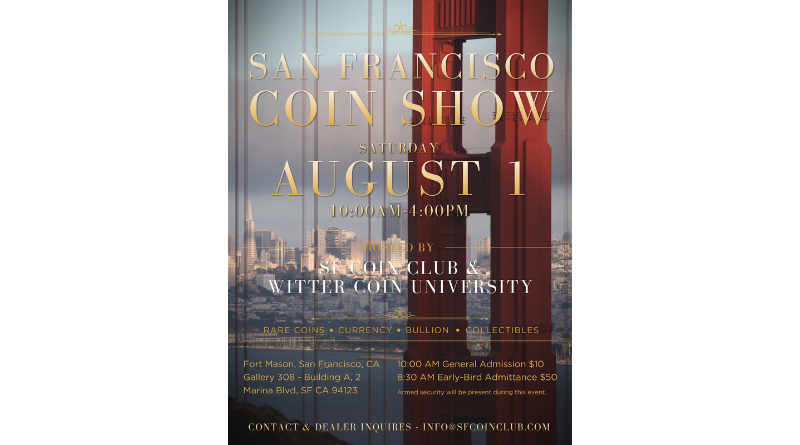
Fort Mason Gallery 308 Building A
Saturday, August 1, 2026